
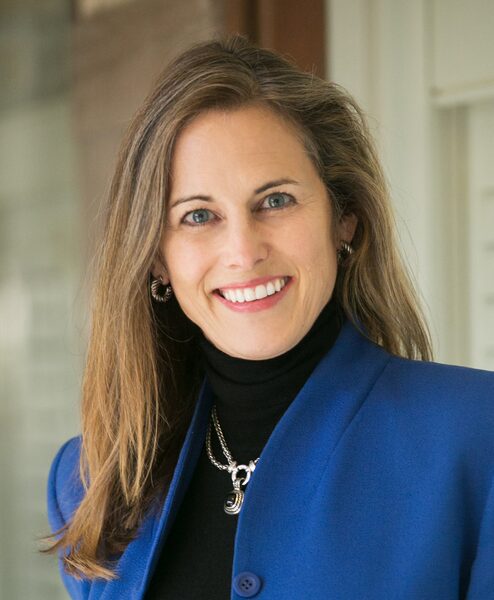
BJ Miller
Managing PartnerParadigm Atlantic Management GroupBJ Miller Prosser, FASID, CCIM is a nationally recognized leader in senior living design with over three decades of experience advancing wellness through the built environment. Holding a master's in gerontology and architecture, she specializes in memory care environments rooted in evidence-based and person-centered design. A former ASID National Board Chair, BJ is also a real estate developer and entrepreneur, integrating design, operations, and development strategies to enhance quality of life for aging populations. Her work bridges memory care innovation with intergenerational placemaking, creating transformative, wellness-driven communities that foster connection, dignity, and long-term impact.
E04 – The ROI of Injury Prevention: Long-Term Savings Through Smarter Interior Design
Falls are the leading cause of injury-related hospitalizations among older adults—and one of the most significant cost drivers in senior living commun
…Falls are the leading cause of injury-related hospitalizations among older adults—and one of the most significant cost drivers in senior living communities. Yet many of these incidents are preventable through thoughtful, evidence-based design. This d
…Falls are the leading cause of injury-related hospitalizations among older adults—and one of the most significant cost drivers in senior living communities. Yet many of these incidents are preventable through thoughtful, evidence-based design. This dynamic panel discussion will explore how environmental interventions can reduce fall risk while delivering measurable long-term financial returns. Featuring a multidisciplinary panel—covering senior
…Falls are the leading cause of injury-related hospitalizations among older adults—and one of the most significant cost drivers in senior living communities. Yet many of these incidents are preventable through thoughtful, evidence-based design. This dynamic panel discussion will explore how environmental interventions can reduce fall risk while delivering measurable long-term financial returns. Featuring a multidisciplinary panel—covering senior living development, architecture and designer, senior care operations, and gerontology—this session will present a 360-degree view of injury prevention through design. Panelists will share data-backed insights, project case studies, and economic modeling to demonstrate how investing in smarter interior environments pays off in reduced hospitalizations, improved resident well-being, staff satisfaction, and operational savings. Whether you’re specifying materials, designing spaces, or managing care outcomes, this session will equip you with the tools to advocate for design decisions that support both safety and financial sustainability.
Show MoreClick the title to see all detailsShow More


E09 – Designing for Sleep: An Evidence-Based, Team-Driven Approach to Senior Wellness
Sleep is emerging as a critical determinant of health in senior living—and yet, despite mounting evidence linking sleep quality to cognitive function,
…Sleep is emerging as a critical determinant of health in senior living—and yet, despite mounting evidence linking sleep quality to cognitive function, mood, immune response, and longevity, design professionals remain largely excluded from sleep-focus
…Sleep is emerging as a critical determinant of health in senior living—and yet, despite mounting evidence linking sleep quality to cognitive function, mood, immune response, and longevity, design professionals remain largely excluded from sleep-focused interventions. This session challenges the outdated view of design as a passive backdrop, repositioning it as an active clinical tool. Through a multidisciplinary case study rooted in both clinical
…Sleep is emerging as a critical determinant of health in senior living—and yet, despite mounting evidence linking sleep quality to cognitive function, mood, immune response, and longevity, design professionals remain largely excluded from sleep-focused interventions. This session challenges the outdated view of design as a passive backdrop, repositioning it as an active clinical tool. Through a multidisciplinary case study rooted in both clinical and design research, we explore how circadian science, thermoregulation, acoustic mapping, and lighting protocols can be strategically leveraged to improve sleep architecture in memory care settings. Participants will examine how built environments can support both resident and staff wellness, reduce hospital transfers, and mitigate the daily challenges associated with poor sleep. The session highlights how embedding design professionals within multidisciplinary care teams—from project inception through operations—can improve long-term outcomes and operational performance. With bioscience and neuroscience advancing rapidly, the design profession is being called to evolve. Architects, engineers, operators, and developers are invited to reimagine the built environment not as a static container, but as a dynamic, biologically-attuned asset. Attendees will leave with evidence-based strategies to align design with human health—transforming senior living environments into tools for healing and longevity.
Show MoreClick the title to see all detailsShow More